

Industrial Dust Control
Design – Manufacture – Installation – Service – Spares
Dust is an inevitable by-product of many industrial processes, including manufacturing, metalworking, chemical processing, woodworking, pharmaceutical processing, and food production. So, is not uncommon for dust filtration machinery to be overworked, operating long hours and under increased pressure.
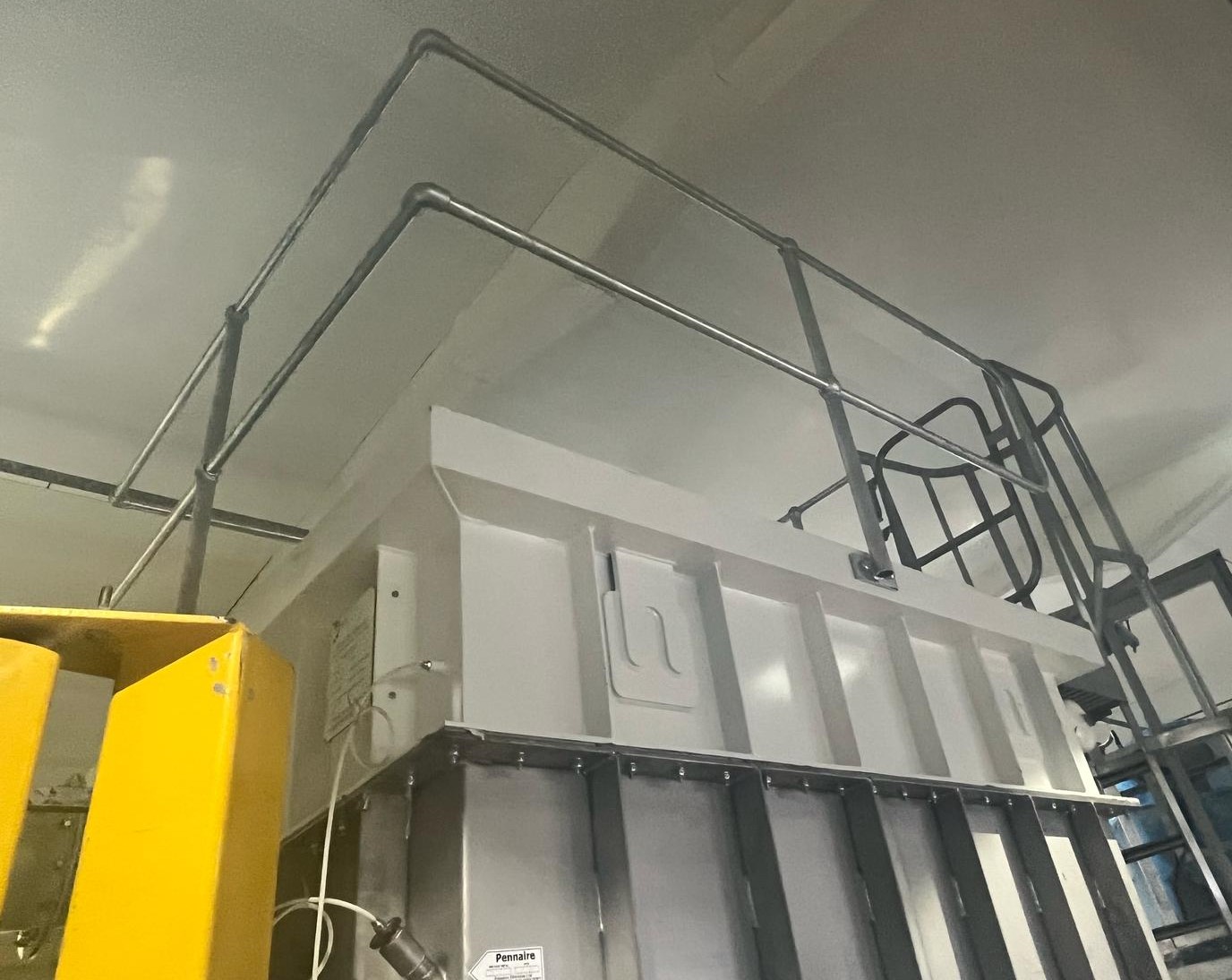
As a result of this, product collection or dust control filters can end up receiving the least attention – they are often sited at the end of a system and can be tucked away out of sight, or right on the top of the highest silo. But it’s important to remember that poorly-maintained filtration systems can have a detrimental effect on the operation of the plant if they are not checked, cleaned and replaced regularly.
When your dust extraction or air filtration equipment starts showing its age, the instinct is often to replace it entirely. But for many industrial facilities, in some circumstances, a well-planned retrofit can deliver equal – or even superior – performance at a fraction of the cost. Knowing which path is right for your operation requires an honest assessment of what you have, what you need, and what the future holds for your process.
The structural integrity of your existing unit is the starting point for any retrofit conversation. If the main filter housing, ductwork, and supporting steelwork remain sound, there is often significant value locked inside that equipment that a full replacement would simply throw away. Upgrading the internal components – filter media, a new reverse jet cleaning system, or modernised controls – can effectively give you a new filter in an existing body, with considerably less capital expenditure and minimal disruption to production.
Retrofitting is particularly compelling when the process it serves has not changed dramatically. If you are still handling the same material at similar volumes, the chances are that your existing unit is sized correctly for the job. Rather than specifying a new system from scratch, targeted upgrades to the filtration media or cleaning mechanism can restore full performance and even improve efficiency, particularly if filter technology has advanced since the original installation.
With our proper understanding of the full engineering requirements and extensive experience of all kinds of machinery, our engineers can retrofit many modern filtration products to older systems. A cost effective retrofit is redesigning the existing filter unit to allow filter bags to be accessed from the top of the unit (clean air side) rather than from inside the filter body (dirty air side), which traditionally requires confined space entry. Benefits of this retrofit include:
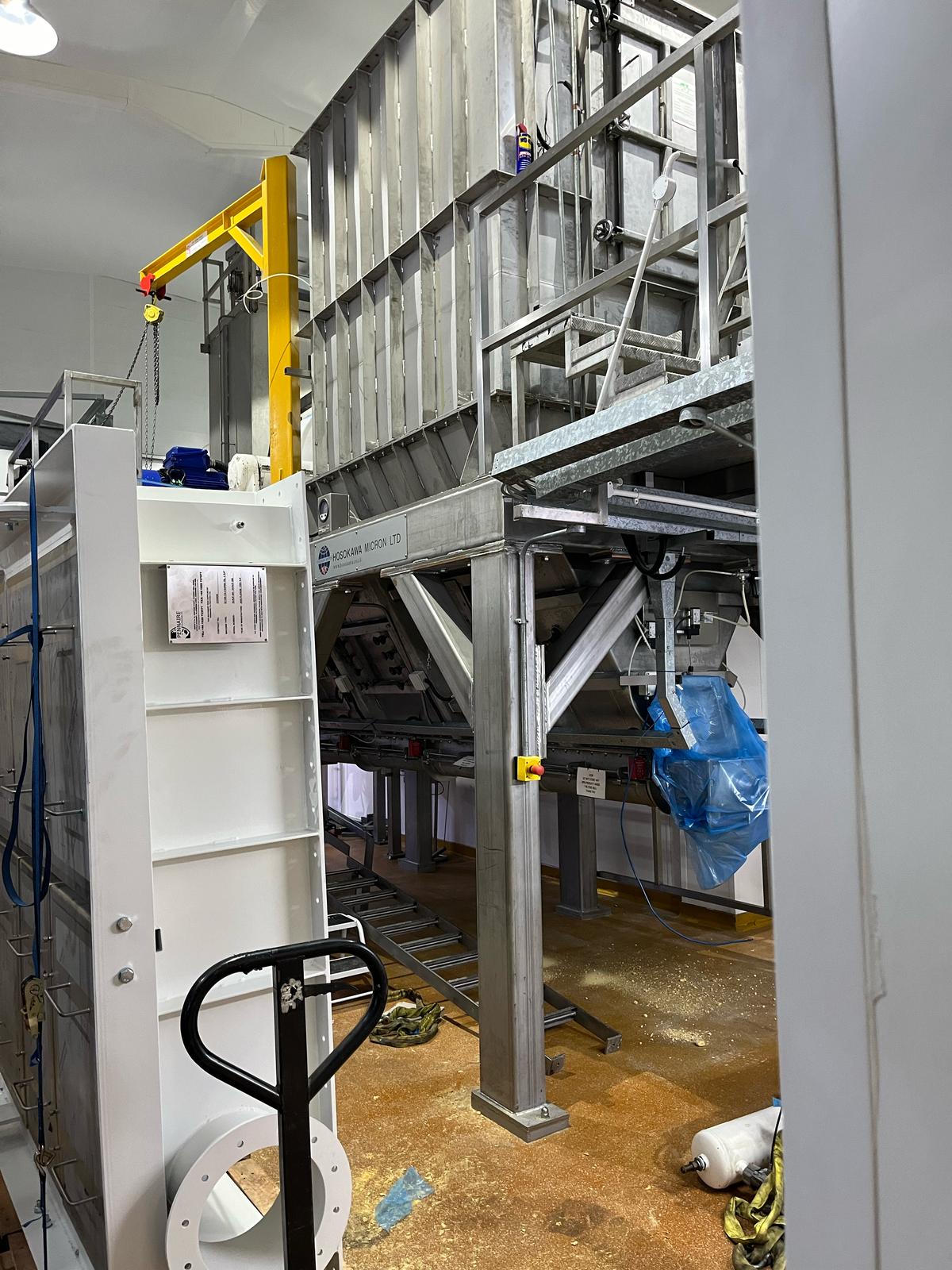
Lead times and plant downtime are another strong argument for retrofitting. Procuring, delivering, and commissioning a completely new system takes time – time your production schedule may not accommodate. A retrofit, especially one carried out by engineers who can survey your existing plant and plan the work in advance, can often be completed in a planned shutdown window with minimal operational impact.
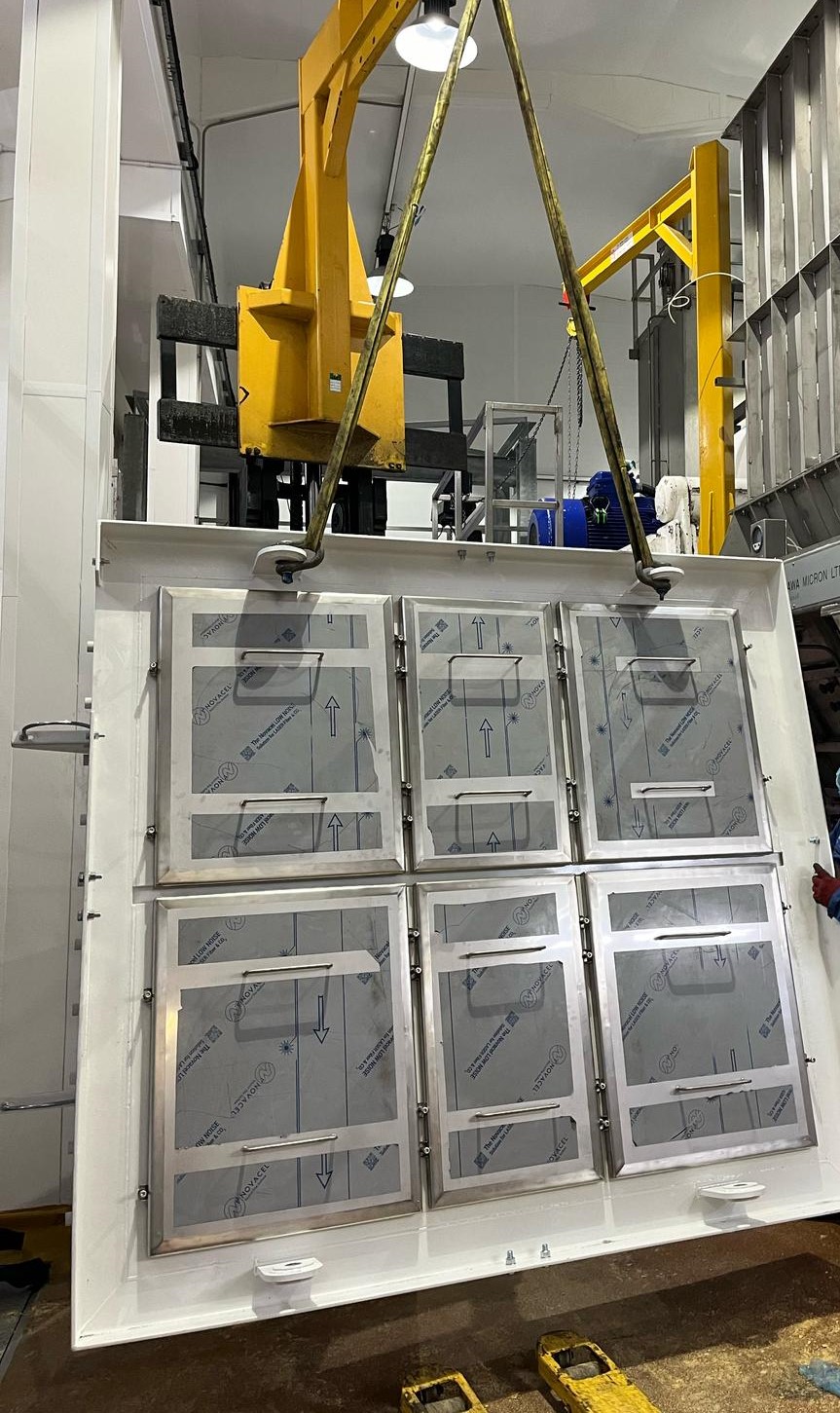
Retrofitting is not always the answer. If the filter body itself has corroded, the structural casing is compromised, or the unit was fundamentally undersized for how your process has grown, patching the internals will only paper over deeper problems. Similarly, if your process has changed significantly – new materials, higher volumes or more stringent emission limits – a bespoke new system designed to your current requirements will outperform any upgrade to legacy equipment.
Regulatory compliance is also worth considering carefully. Tightening standards around dust emissions and workplace air quality may demand performance levels that older housings simply cannot achieve, regardless of what is installed inside them.
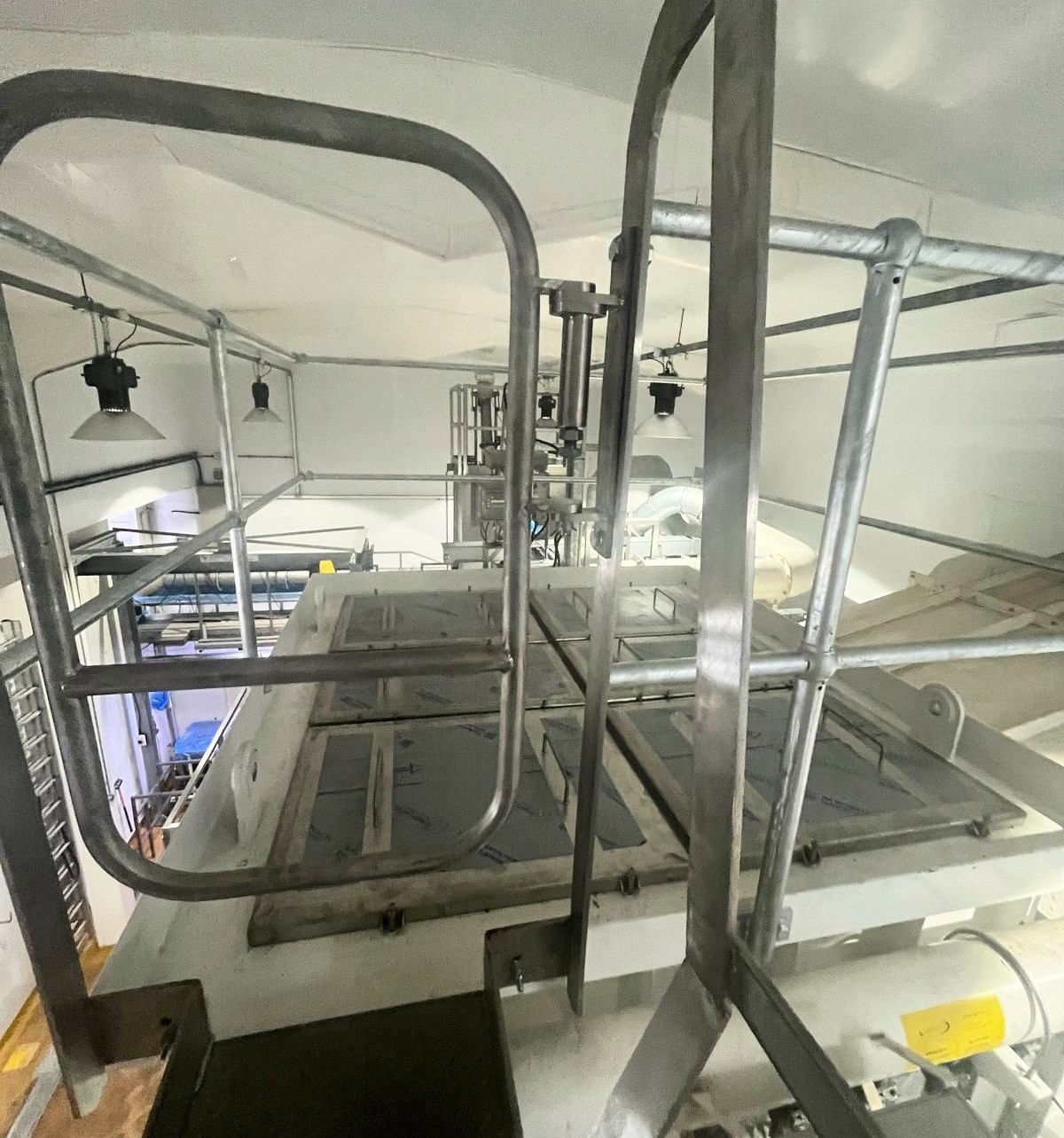
The key to making the right decision is a thorough survey carried out by experienced filtration engineers. At Pennaire Filtration, our team carries out detailed inspections of existing plant, assessing structural condition, current performance, and future requirements before making any recommendation. In some cases, a targeted retrofit programme – new filter media, upgraded cleaning controls, or replacement internal components – can deliver everything a new unit would, at significantly lower cost and with far less disruption.
When it comes to your existing, new or potentially forthcoming issues, consulting with one of the technical sales team at Pennaire Filtration will result in securing the right outcome in the most cost-effective, efficient manner.

This website uses cookies to ensure you get the best experience from our website.