Industrial Dust Control
Design – Manufacture – Installation – Service – Spares
A healthy and safe working environment is essential, particularly in settings where there are dust, fumes, and other airborne contaminants.
Local exhaust ventilation (LEV) testing plays a vital role protecting people in those locations, helping to keep industrial processes running as they should while ensuring compliance with relevant UK regulations.
LEV is short for ‘Local Exhaust Ventilation’.
In simple terms, the acronym refers to a mechanism designed to remove hazardous dust, vapours, fumes, and any other airborne contaminants from a location, meaning potentially harmful substances are captured and extracted before they spread.
An effective LEV system is a critical part of a workplace control strategy to ensure compliance with relevant health and safety regulations.
Regular and thorough local exhaust ventilation testing should be done by qualified engineers who know what they’re doing and, importantly, understand how different LEV systems function.
We’re often asked; what is LEV testing and why is it required?
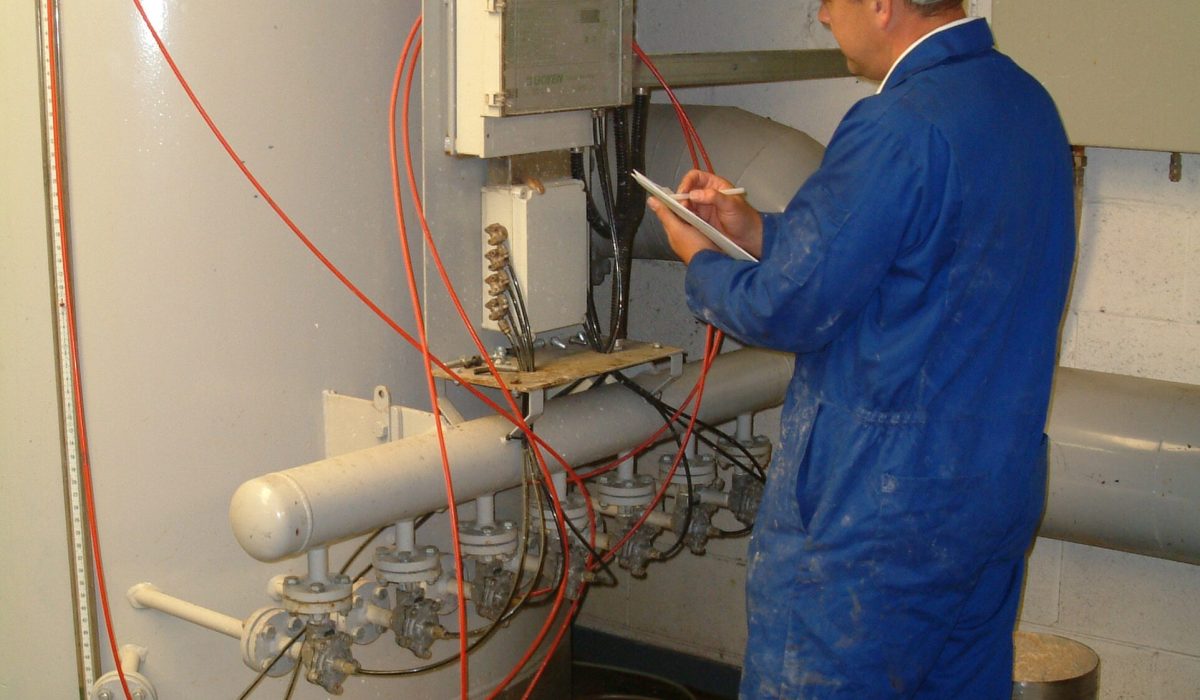
An LEV test should consist of careful examination of a Local Exhaust Ventilation system to ensure that it’s working effectively and is compliant with relevant regulations.
Testing usually incorporates:
The UK’s Health and Safety Executive (HSE) provides detailed Local Exhaust Ventilation (LEV) guidance that includes testing and maintenance standards for LEV systems in workplaces.
Once testing process is complete, an engineer will compile a formal report that records all findings and provides recommendations for improvements if any are needed.
In short, yes. Workplaces with LEV systems must comply with the Control of Substances Hazardous to Health Regulations (COSHH) 2002 (specifically, Section 9).
COSHH regulations compel employers to assess and control exposure to hazardous substances in the workplace, and install ventilation systems where needed.
These LEV systems must be tested at appropriate intervals to ensure they’re performing as required.
The official COSHH guidance recommends that LEV systems must undergo a thorough examination and test at least every 14 months.
At Pennaire, we recommend LEV testing every 12 months and a LEV inspection twice a year.
There are several reasons why LEV testing and maintenance should be an integral part of your approach to health and safety in the workplace:
These include:
Protecting employee health
Without regular testing and inspection, the effectiveness of LEV systems can reduce over time.
Fumes, dust, and other contaminants generated by manufacturing, welding, grinding, and other industrial processes can increase the risk of serious respiratory illnesses and debilitating long-term health issues if they’re not properly controlled.
LEV testing ensures installed systems are operating effectively to provide protection for your workforce.
Maintaining regulatory compliance
Failing to conduct regular local exhaust ventilation testing exposes your business to the risk of enforcement action by the HSE.
Non‑compliance with COSHH regulations can lead to improvement notices, fines, or in extreme cases, prosecution.
Testing documentation provides evidence that you’ve taken the necessary steps to manage and mitigate exposure to hazards at your location.
Ensuring operational efficiency
Blockage, worn filters, or a poorly balanced airflow may all reduce the effectiveness of an LEV system.
As a result, the protection it provides for workers could be reduced and could lead to system failure, which can result in costly shutdowns, repairs or even complete system replacement.
Regular testing identifies any performance issues, helping you maintain an efficient, effective LEV system.
Improving workplace safety culture
LEV testing and reporting should be a key part of a workplace’s overall safety strategy.
It signals to employees that their employer takes health and safety seriously, in turn fostering a positive health and safety culture across an organisation.
Reducing maintenance costs
Scheduled testing increases the chance of identifying a problem with your LEV system before it can cause downtime for essential or emergency repairs.
For example, LEV tests by industry experts will often highlight worn components before they need replacement.
Routine scheduled maintenance also means it’s less likely you’ll be landed with an expensive repair bill.
As mentioned above, COSHH regulations state that LEV systems must be thoroughly examined and tested at least every 14 months.
At Pennaire, we always advises our clients to arrange testing every 12 months, with inspections in between every six months as part of a preventative maintenance programme.
Together, those actions ensure that your system remains effective and that potential issues are identified (and resolved) early.
Arrange your next LEV inspection today
COSHH regulations are designed to ensure that your workplace is safe, and that employees – as well as the local environment – are not exposed to unnecessary risk.
At Pennaire, our LEV test reports provide a comprehensive overview of your system’s performance and is a practical tool to help you manage ventilation at your location.
A typical report includes:
Description of the LEV system, including locations of extraction points and general configuration
Airflow readings, captured velocities, and other relevant measurements taken at each test point
A statement on whether the system meets the required standards set out in COSHH and industry guidance
Any deficiencies, blockages, worn parts, or performance issues identified during testing
Practical guidance, including any corrective actions, that should be taken. These might be parts that need replacing, adjustments to make, or further checks to be scheduled
Where relevant, photos are included to clarify issues and support any recommendations that we make in the report.
Want to understand more about our LEV test reporting? Contact a team member today.
With comprehensive local exhaustion ventilation testing and expert support from Pennaire Filtration, you can have confidence that your LEV systems are working and reliably.
Our team of service engineers possess a British Occupational Hygiene Society (BOHS) P601 certificate, providing peace of mind the inspections they do will be to the highest professional standards.
They will deliver:
Leaning on our year-round support, you can access a dedicated advice and technical service between inspections to ensure that you’re never left without a functioning system.
Have a question about LEV testing? Contact us
This website uses cookies to ensure you get the best experience from our website.