
Industrial Dust Control
Design – Manufacture – Installation – Service – Spares
When people think about dust extraction, they often picture a system designed to keep a workplace clean and protect workers from airborne particulate. And for many applications, that is exactly what is required. But not all extraction systems serve the same purpose – and understanding the difference between a nuisance dust collector and a product collector is essential to specifying the right solution for your process.
A nuisance dust collector does what the name suggests. It captures the dust generated as a by-product of an industrial process: keeping it out of the air, protecting operator health, and maintaining cleanliness in the working environment. The volumes of collected material relative to the volume of air handled are typically low, and the primary objective is extraction and disposal.
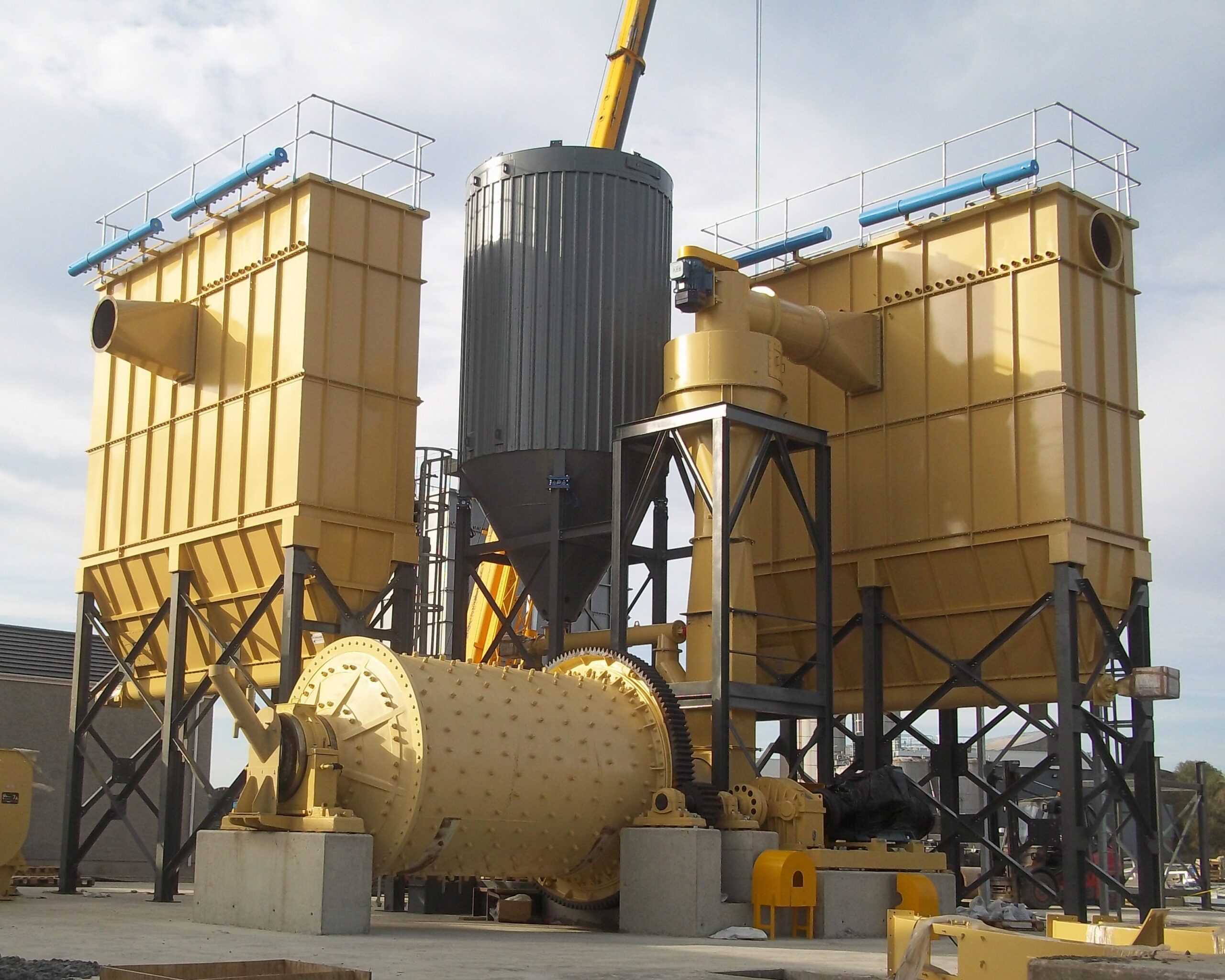
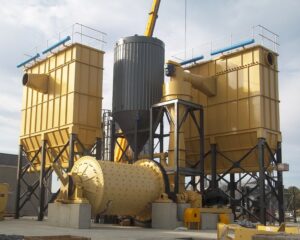
A product collector is an entirely different proposition. Rather than simply removing unwanted dust from the environment, a product collector is installed directly within the process – on mills, classifiers, dryers, and similar equipment – to recover valuable material from the gas stream. Here, solids loadings can be significantly higher per cubic metre of gas flow, and the collected material isn’t waste to be disposed of. It is product to be recovered, handled, and returned to the process or passed on for further use.
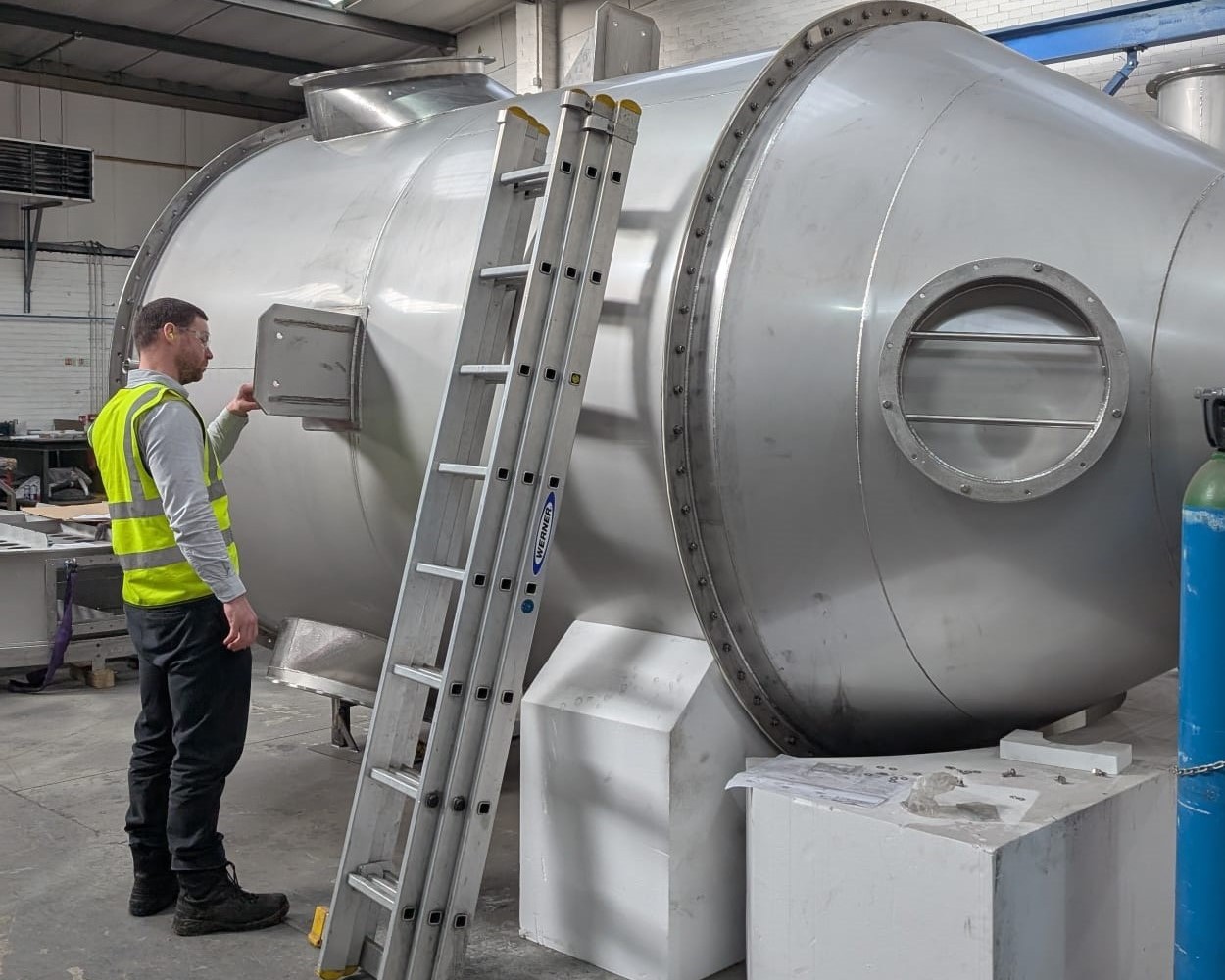
Because product collectors operate directly within the process rather than at its periphery, the engineering requirements are considerably more demanding. Systems are typically rated for higher operating pressures than standard nuisance dust collectors, and every element of the design needs to reflect the specific conditions of the application.
Filter media selection is a critical part of this. Temperature, humidity, particle size, and the abrasive characteristics of the material being collected all influence which media will perform reliably over time. Getting this wrong doesn’t just affect filtration efficiency, it effects the collected product in the system, and can also accelerate wear, driving up maintenance costs.
Inlet configuration is equally important. Whether a side inlet, tangential inlet, central inlet to void, or a hopper entry inlet to the bag filter is used, the goal is the same: to promote efficient collection while protecting filter bags from the accelerated wear that high solids loadings can cause.
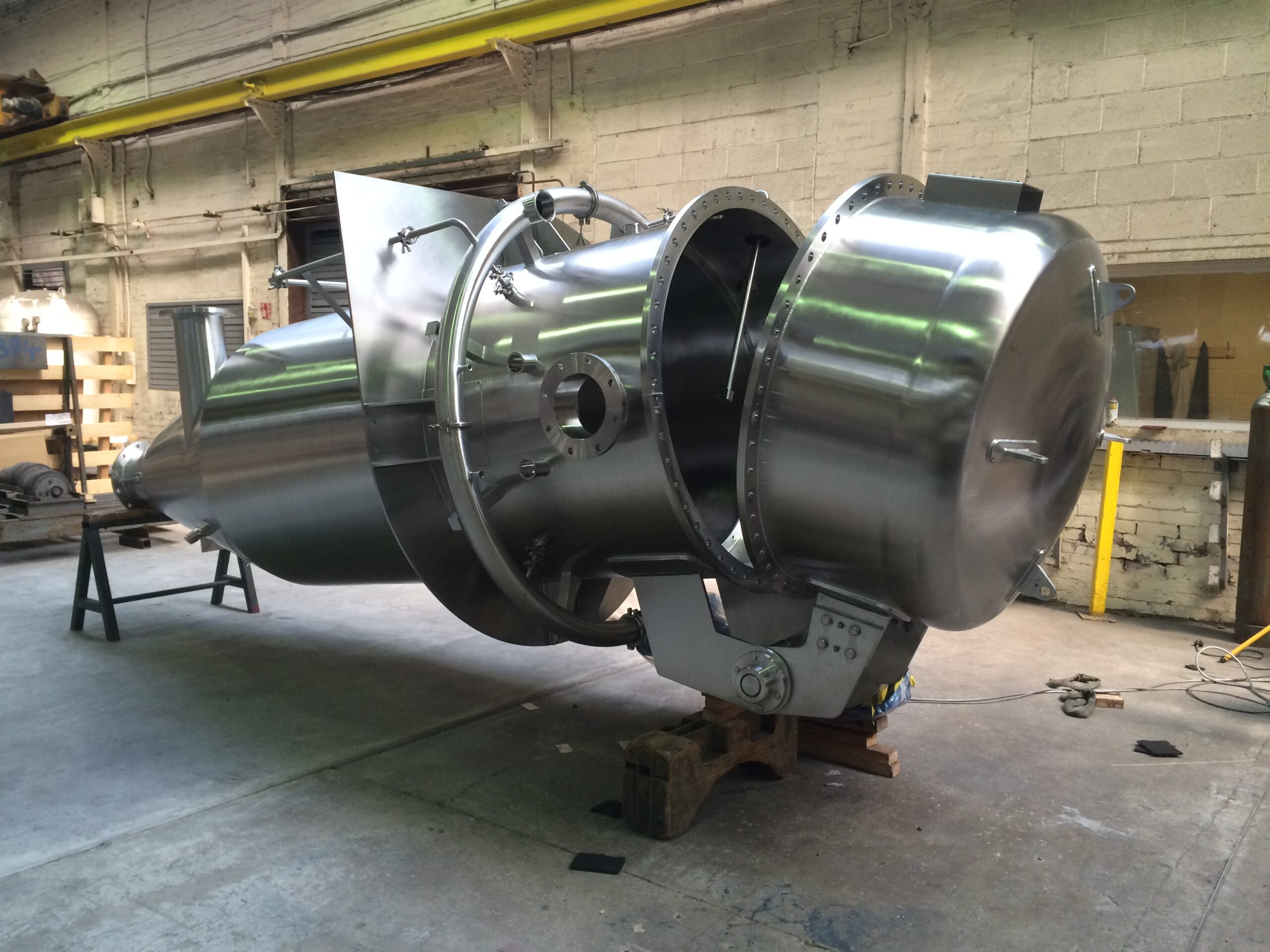
In food and pharmaceutical applications, product collectors carry additional responsibilities. Materials of construction and filter media must meet FDA approval requirements, and the system must be designed to minimise product retention and facilitate thorough cleaning – whether through manual procedures or integrated Clean-in-Place systems.
Discharge design also demands careful attention. Recovered material needs to be cleared effectively and consistently to avoid blockages, maintain flow, and ensure the integrity of what has been collected. Any failure at the discharge point can compromise both product quality and process continuity.
Finally, the operation of the reverse jet cleaning system on a product collector requires particular care. Many processes are sensitive to pressure fluctuations, and the timing and sequencing of the cleaning cycle needs to be managed to maintain system stability rather than disrupt it.
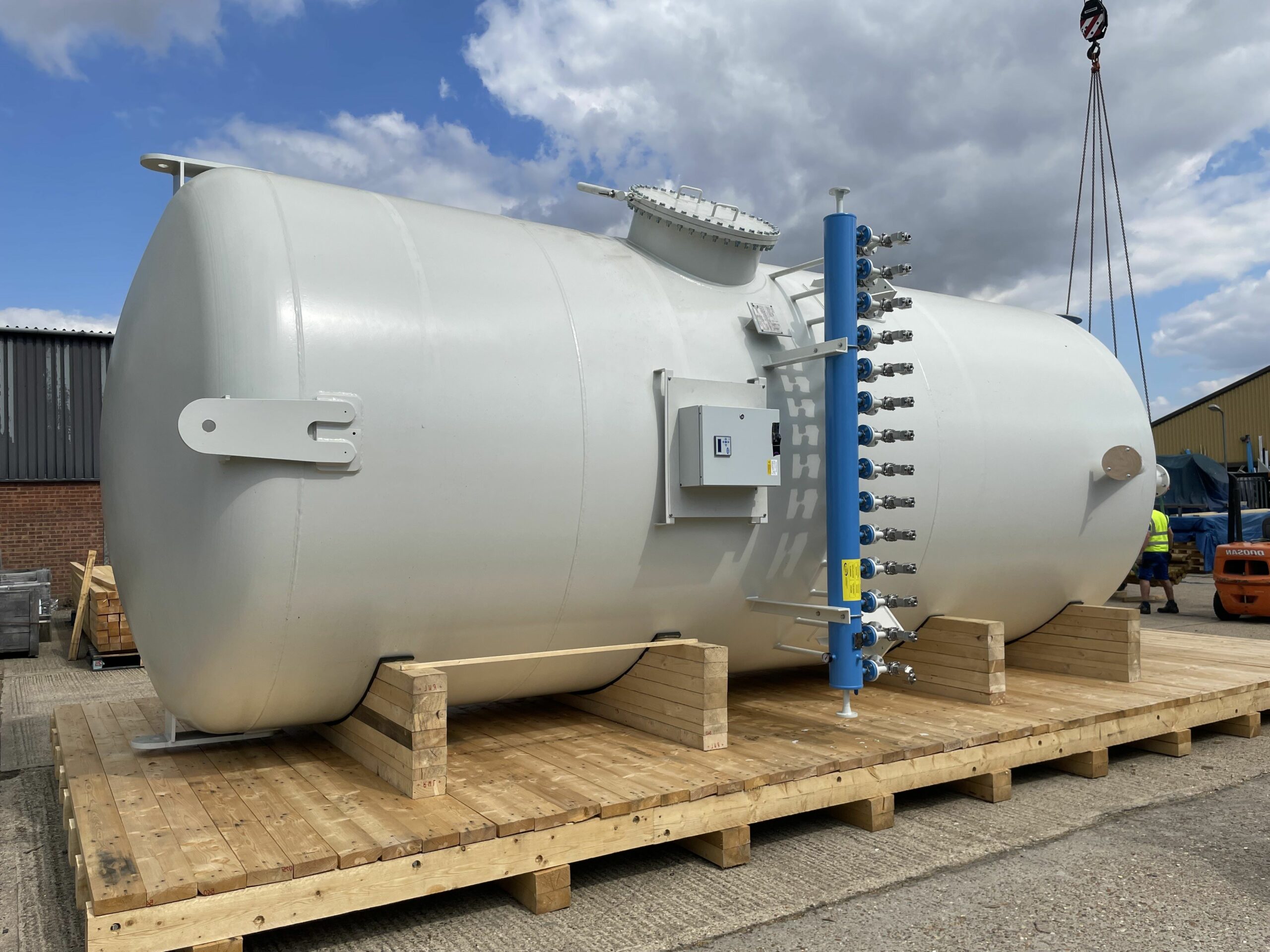
The distinction between a nuisance dust collector and a product collector might seem straightforward in principle, but in practice the design decisions involved are numerous and consequential. A system that has not been properly specified for product collection duties will underperform, wear prematurely, and potentially affect the quality and yield of the process it serves.
At Pennaire Filtration, we have over 20 years of experience designing and supplying bespoke product collection systems across a wide range of industries and applications. If you are reviewing an existing installation or planning a new one, our team has the knowledge and expertise to ensure you get the right solution.
Call us on 01928 723577 or email sales@pennairefiltration.com.

This website uses cookies to ensure you get the best experience from our website.