Working with minerals such as cement, carbon black and lime presents some of the toughest dust control challenges in industrial processing. These materials are inherently fine, abrasive and – in many cases – hazardous to health. Without effective filtration in place, mineral dust can quickly become a serious problem for worker safety, equipment longevity, product quality and regulatory compliance.
Cement dust is notoriously alkaline and caustic, posing a real risk of skin and respiratory irritation for workers. It’s also extremely fine, meaning it can travel long distances through the air and penetrate deep into the lungs. Cement processing often involves high temperatures and abrasive conditions, which can quickly wear down poorly specified filtration equipment. Add in the sheer volume of dust generated during grinding, mixing and bagging operations, and you have a challenging environment that demands robust, well-designed dust extraction systems.
Carbon black presents a different set of issues. This ultra-fine powder – used widely in rubber manufacturing, pigments and coatings – is not only difficult to contain but also presents a significant explosion risk if allowed to accumulate. Carbon black dust clouds can ignite under the right conditions, making proper dust extraction and containment absolutely critical. The material is also highly abrasive, meaning filters and equipment need to be selected carefully to withstand constant exposure.
Lime processing – whether quicklime or hydrated lime – comes with its own complications. Lime dust is highly reactive, particularly when it comes into contact with moisture, and can cause severe irritation to skin, eyes and respiratory systems. The dust is also corrosive, which means filtration systems need to be constructed from materials that can handle prolonged exposure without degrading. Lime is often processed at elevated temperatures, adding thermal stress to the list of factors that dust extraction systems must manage.

Failing to control mineral dust effectively can have serious consequences. Worker health is the most immediate concern – prolonged exposure to cement, carbon black or lime dust can lead to chronic respiratory conditions, skin complaints and other long-term health issues. That not only impacts the wellbeing of your team but also exposes your business to potential legal action and regulatory penalties under COSHH.
Beyond health risks, airborne dust damages machinery, contaminates products and creates hazardous working conditions. In the case of combustible dusts like carbon black, the consequences can be catastrophic – dust explosions have the potential to cause fatalities, destroy facilities and result in millions of pounds in damage. Effective dust extraction isn’t just a nice-to-have; it’s an essential safeguard.

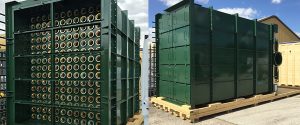
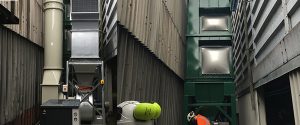
At Pennaire Filtration, we design and supply dust extraction systems specifically engineered to handle the demanding conditions found in mineral processing. Our reverse jet bag filters are built for continuous-duty operation in high-dust environments, with robust construction and self-cleaning mechanisms that keep them running efficiently even under heavy load. For applications where explosion risk is a concern, we can incorporate appropriate safety features such as explosion venting and isolation systems.
We also offer silo vent filters for controlling emissions during pneumatic filling and discharge operations – a common source of dust in cement and lime handling. For processes that generate particularly fine or sticky particulates, our cartridge filters provide high-efficiency filtration with compact footprints and easy maintenance access.
Our experienced team provides ongoing support including LEV testing, inspections, preventive maintenance and spare parts supply to keep your systems performing reliably over the long term. Whether you’re setting up a new mineral processing line or looking to upgrade an existing facility, we have the expertise and the product range to deliver a solution that works.
Get in touch with us at sales@pennairefiltration.com to discuss your requirements.