
Industrial Dust Control
Design – Manufacture – Installation – Service – Spares
Designed to reduce exposure to hazardous dust, fumes, vapours, and gases, an effective Local Exhaust Ventilation (LEV) system provides essential protection for employees and helps maintain a healthy working environment.
But how do you know if yours is functioning as it should?
It’s vital that every employer makes sure their system complies with the relevant LEV testing regulations.
So, what are those LEV testing requirements?
Yes, LEV testing is a legal requirement in the UK.
Control of Substances Hazardous to Health Regulations (COSHH) 2002 (specifically, Section 9) states that employers are required to ensure that exposure to hazardous substances is safely controlled.
This includes installing an effective LEV system, if necessary, and arranging regular tests to confirm it’s working properly.
With that in mind, understanding how to comply with LEV testing regulations is critical for any employer operating in an environment where potentially harmful substances are generated.
Health and Safety Executive (HSE) guidance, including compliance with HSG258, mandates LEV systems should undergo a thorough examination and test at least every 14 months. Whether you run a standard ventilation setup or require specialised dust extraction equipment, at Pennaire, we recommend annual testing every 12 months to stay comfortably ahead of that requirement.
Failure to comply may result in enforcement action, fines, and poses an increased risk for employee health.
Not sure if your current LEV testing schedule meets these requirements? Get in touch with our team today
LEV regulations UK set out several obligations for the employers, including:
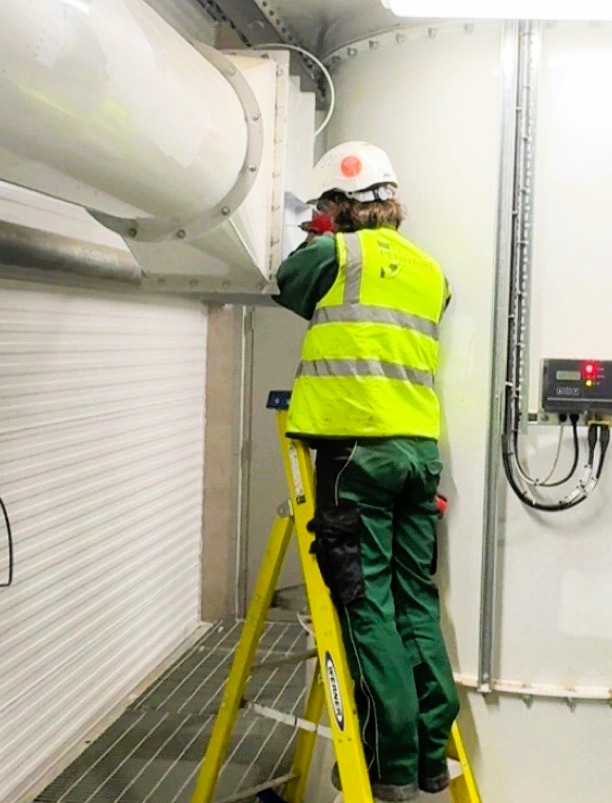
Pennaire’s service engineers all possess the required BOHS P601 certificate, ensuring your LEV systems are inspected to the highest professional standards.
Compliance isn’t optional. To ensure you meet your obligations, it’s essential to:
Need help? Speak to a team member today on 01928 723577
An LEV test must be carried out by a trained and competent engineer.
Pennaire’s expert LEV testing services are delivered by trained team members – each of them holders of a British Occupational Hygiene Society (BOHS) P601 certificate – with the know-how to conduct thorough inspections, report with precision, and make actionable recommendations for all types of industrial settings.
Typically, your tester should at least:
A thorough LEV examination and test involves a series of steps to ensure the system is operating correctly, including:
By following these steps, an LEV engineer will ensure that the system meets on-site safety objectives as well as LEV testing requirements.
An LEV report that meets compliance requirements is a key element of LEV testing regulations.
It should document:
Correct documentation provides reassurance that your business is meeting LEV test regulations and that employees are being effectively protected from associated risks.
At Pennaire, we offer professional LEV testing and assessment services across the UK, conducted by fully qualified engineers.
Our LEV testing provides:
This website uses cookies to ensure you get the best experience from our website.